
The ONE Journal · September 8, 2026
Gua Sha in Austin: What the Trend Got Wrong
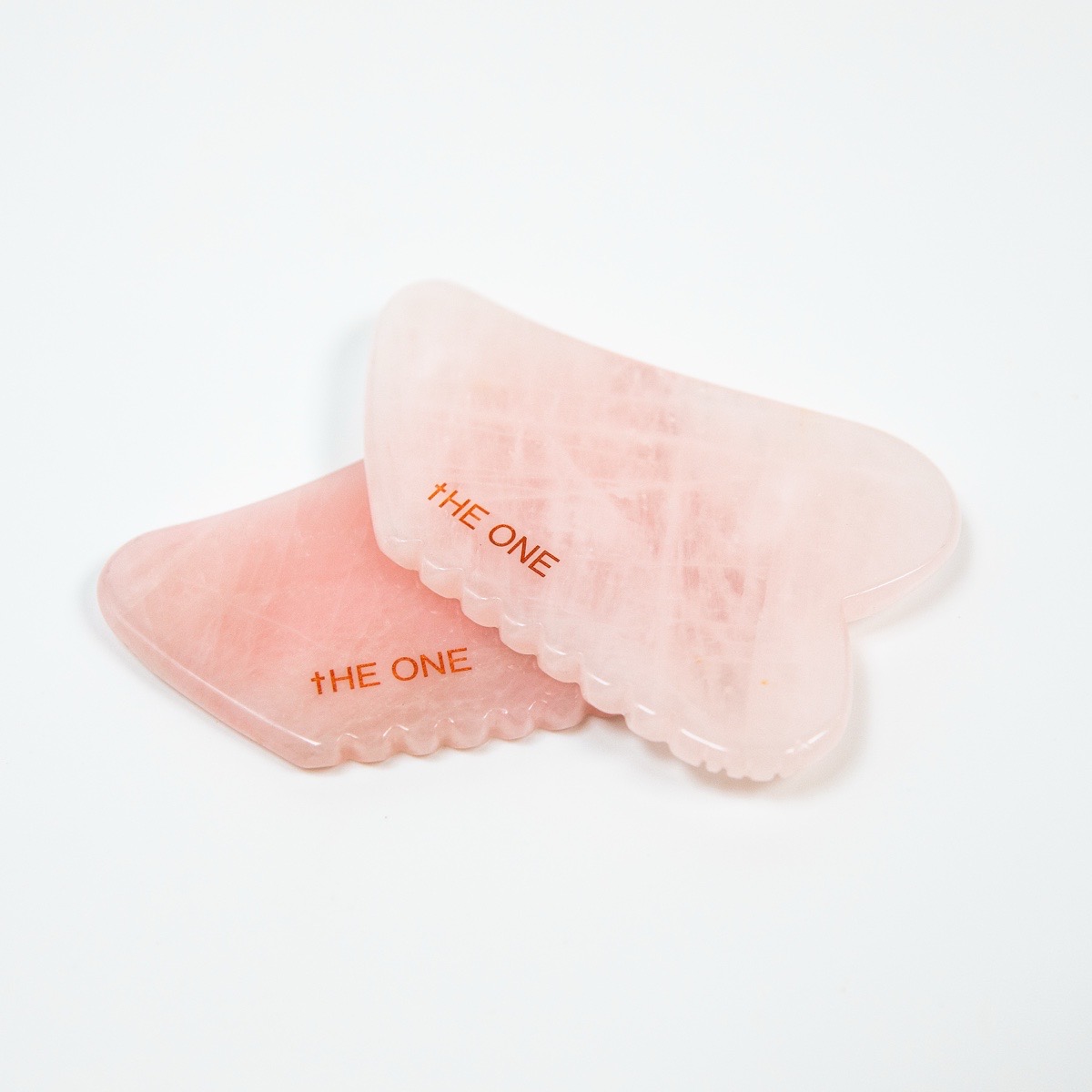
Gua sha is having a moment. Rose quartz stones on every bathroom shelf, thirty second videos, a lot of gentle stroking toward the ear. We're Suji and Hyesu, twin co-founders of THE ONE Clinic, a Korean facial spa in northwest Austin. Gua sha isn't new to us. It's been in our family and our training for a long time, which is why watching it get flattened into a skincare accessory is a strange thing.
The trend isn't wrong about everything. It just kept the prettiest ten percent and lost the rest.
What gua sha actually is
Gua sha comes from Traditional Eastern Medicine, and the name is blunt about it. Gua means to scrape. Sha refers to the flush that rises to the surface when you do.
On the body it's a firm technique. Practitioners work a broad tool across the back or shoulders to move stagnation and bring circulation to an area that feels stuck. It leaves marks, and the marks are the point. That's the version most people never see on their feed.
The face is different. Facial gua sha is far gentler, because the tissue is thinner and the goal isn't the same. On the face you're working the lymphatic system and the fascia, the connective tissue that wraps around every muscle and holds the structure of your face together. Done properly, it moves fluid out and helps release tension that's built up in tight tissue.
So gua sha isn't one technique. It's a family of them, and the pressure and purpose change depending on where it lands.
Where the trend went sideways
Three things get lost in the short video version.
The pressure is usually too light. Feather stroking your cheek with a cold stone feels nice. It doesn't do much. Fascia responds to sustained, intentional pressure, not a quick glide. Most tutorials skip this because firm pressure looks alarming on camera.
The direction gets treated as a rule. You'll hear "always stroke toward the ear" like it's a law. Lymph does drain toward the nodes at the ear and neck, so there's truth underneath it. But your lymph nodes need to be open before you push anything toward them. Our estheticians clear the neck and collarbone first. Sending fluid into a congested path is how people end up puffier than when they started.
It's presented as a solo act. Gua sha at home is genuinely good for you. We recommend it. But five minutes with a stone on top of clean skin is maintenance, not a treatment. It isn't reaching the deeper structural layer, and it never claimed to.
What a gua sha facial does that a stone at home can't
In a professional session, gua sha isn't the whole treatment. It's one tool inside a sequence, and that's what changes the outcome.
At our clinic it lands in the deep sculpting stage of a SculptONE™ session, alongside deep muscle work and buccal massage, which works the cheek from inside the mouth. By the time the gua sha work starts, our estheticians have already drained the lymphatic pathways, released the jaw, and brought circulation up. The tissue is warm and ready. Scraping cold, tight fascia does very little. Working warm, prepared fascia does quite a lot.
We use bamboo alongside stone. Bamboo has a different density and a different edge, and it suits the firmer structural work along the jaw and cheekbone. Stone stays cooling and calming.
What clients notice afterward is usually the same short list. Less puffiness, especially under the eyes and along the jaw. A jawline that reads more defined because the tissue around it let go. Skin that looks brighter, which is circulation doing its job.
To be straight about it: this is massage. It supports relaxation and circulation. It isn't a medical treatment and it doesn't cure anything. What it does is release what your face has been holding.
If you want to keep doing it at home
Do. Just three things. Use oil so the tool glides instead of dragging. Start at your neck and collarbone before you touch your face. And go slower than the videos, with more pressure than feels obvious.
You're not going to restructure your face in five minutes at the sink. You will help fluid keep moving between sessions, and that's worth doing.
Booking a gua sha facial in Austin
Every SculptONE™ session includes gua sha as part of the full sequence, so you're not choosing between the massage and a proper facial. You get both in one visit. If you want to feel the difference between the trend and the technique, your first session is 50% off.
Questions first? Call or text us at (737) 352-4777. We're at 12325 Hymeadow Dr #2-100 in northwest Austin, and you can book at booking.mangomint.com/theoneclinic.